In appearance they may look like insects, but in fact springtails belong to a diverse group of wingless arthropods called Collembola, and there are thousands of species around the world.
A harbinger of spring, Mourning cloaks (Nymphalis antiopa) are one of the few butterflies that overwinter as an adult butterfly, sheltering in place under tree bark in surrounding forests through the cold and snow.
The trail on CLC’s Charlotte C. Browne Memorial Woods provides a moderate walk through fields, uplands, and along the edges of the Chocorua River before looping back through the woods and past a giant glacial erratic.
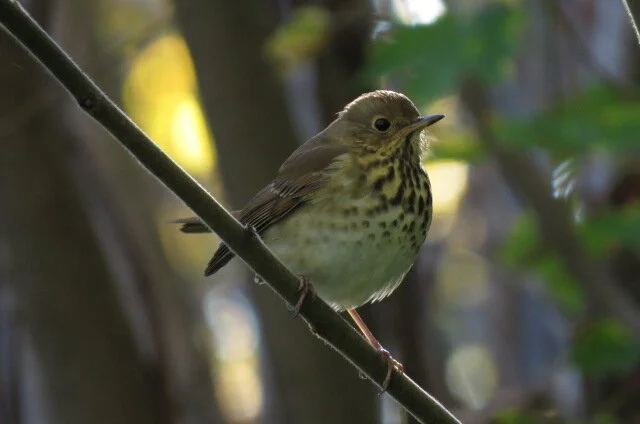
From 1993 to 2018 Harriet Hofheinz and a team of volunteers surveyed thrush populations in the Chocorua Lake Basin, and found, over that time, a decline in numbers. She has shared the results of her work with us, written in collaboration with Henry C. Stevens.
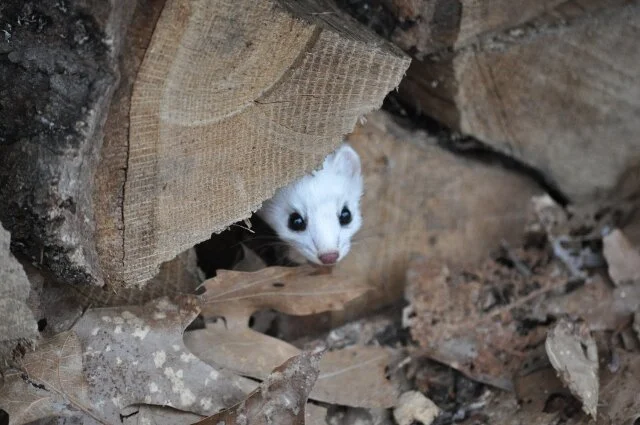
The “subnivean layer” is the insulated space between the snow cover and the frozen ground beneath. Many animals take advantage of this thin layer of warmer air and space to continue with daily activities.
Snowfleas are members of a primitive group of insects called Collembola, and are not related to the fleas you might find on your canine or feline family members.
This spring Forest Land Improvement (FLI) continues work delayed by last year’s wet fall, going back into the Clark Reserve to work on the wood roads used in last summer’s timber harvest.
To celebrate the CLC’s 50 years of stewardship, Ruth Weld and Bonnie Hurd Smith have volunteered to lead an effort to create an updated 50th Anniversary Book about the history of the Chocorua Lake Basin.